Science Popularization | Hardcore Technical Breakdown: Understanding the Real Strength of Graphene Heating with Data
Science Popularization | Hardcore Technical Breakdown: Understanding the Real Strength of Graphene Heating with Data


Science Popularization | Hardcore Technical Breakdown: Understanding the Real Strength of Graphene Heating with Data
Recently, we have received many messages from our readers:
"More and more graphene heating products are on the market. Every brand claims to have leading technology, and prices vary widely. How can we tell genuine products from counterfeits?"
"Is graphene heating just an overhyped gimmick? Why do some products stop heating well after two years of use, while others claim to last for 30 years?"
In fact, for any emerging industry, the core sign of maturity from conceptual boom to sound development never lies in how aggressive the advertising is, but in the existence of unified and authoritative industry standards. For graphene heating, the globally recognized "gold standard for quality" is the IEC International Standards.
Once you understand the IEC International Standards, you will grasp the real discourse power of the graphene industry, and can easily distinguish between industry leaders with core technologies and followers who just ride the trend.
Home heating is quietly undergoing a fundamental technological iteration.
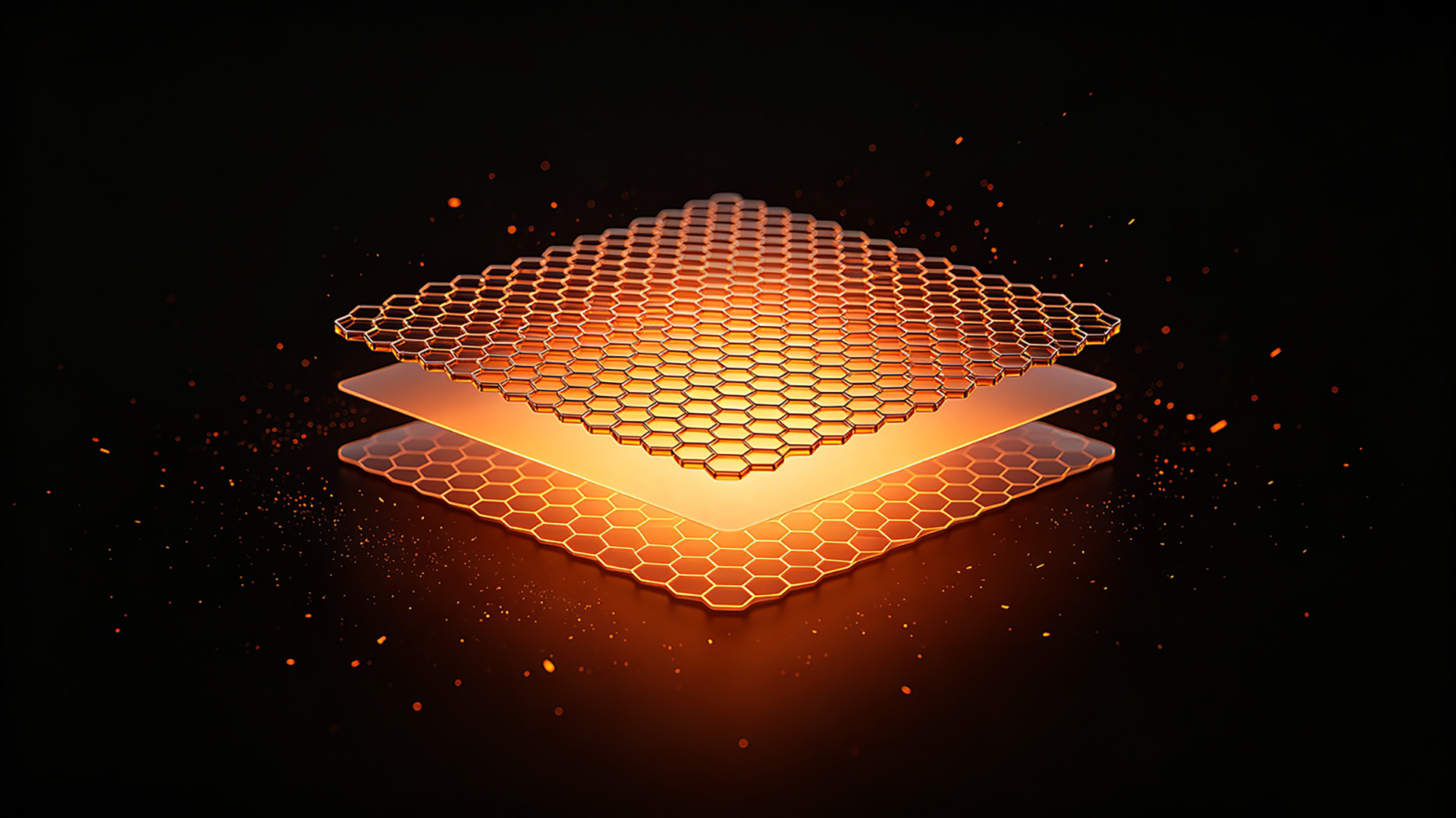
In the past, we relied on resistance wire space heaters and radiators, which were bulky, drying and energy-intensive. Later, carbon fiber heating products became popular, with slightly improved electrothermal conversion efficiency and softer heat release. However, limited by the fiber weaving structure, there are gaps in the heating area, resulting in obvious shortcomings in the overall constant temperature effect. Now, graphene, a two-dimensional crystal known as the "king of new materials", is taking home heating into a brand-new era of "planar constant temperature and invisible energy saving".